Managing an Innovation Portfolio
A rolling innovation portfolio connecting strategy, audience evidence, experimentation and resource allocation. Four areas · one 50/40/10 period-specific capacity proposal · bi-monthly reprioritisation · explicit scale, iterate, park or stop decisions.
Context
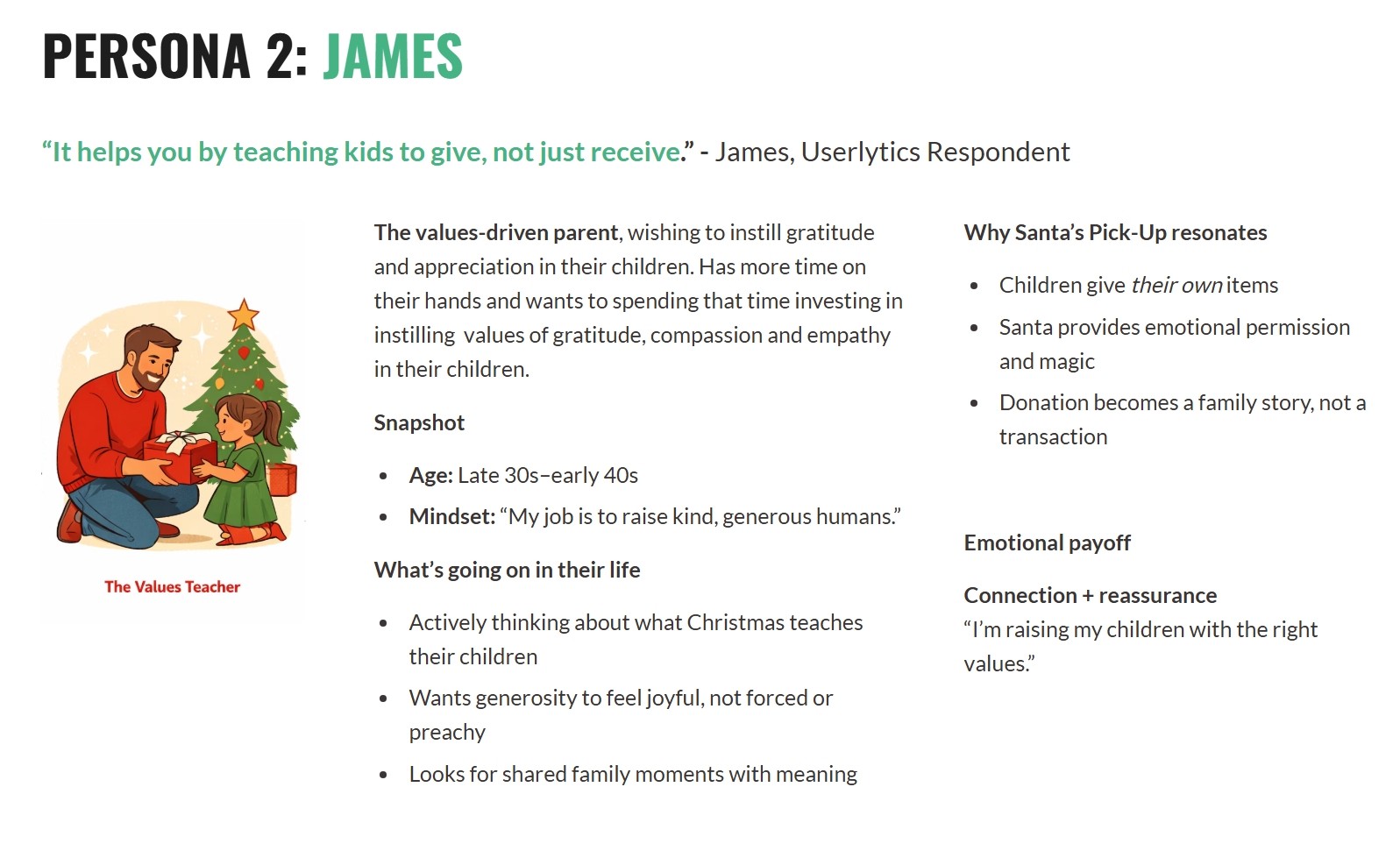
At Save the Children UK, opportunities ranged across new propositions, audiences, emerging technology, organisational capability and business challenges. The challenge was deciding which deserved scarce capacity: moving from “What could Innovation work on?” to “Where can Innovation create the most value?”
My Role
As Innovation Lead, I helped shape and manage the portfolio with the wider Innovation team, senior leadership and delivery teams. I worked with teams to identify opportunities, challenge briefs, make trade-offs visible, assess impact, income potential and readiness, balance incremental and disruptive work, and decide what should progress, pause, merge, return to backlog or stop.
Problem
How do we allocate scarce innovation time, money and attention to the opportunities most worth pursuing, and make decisions about what earns further investment?
Approach
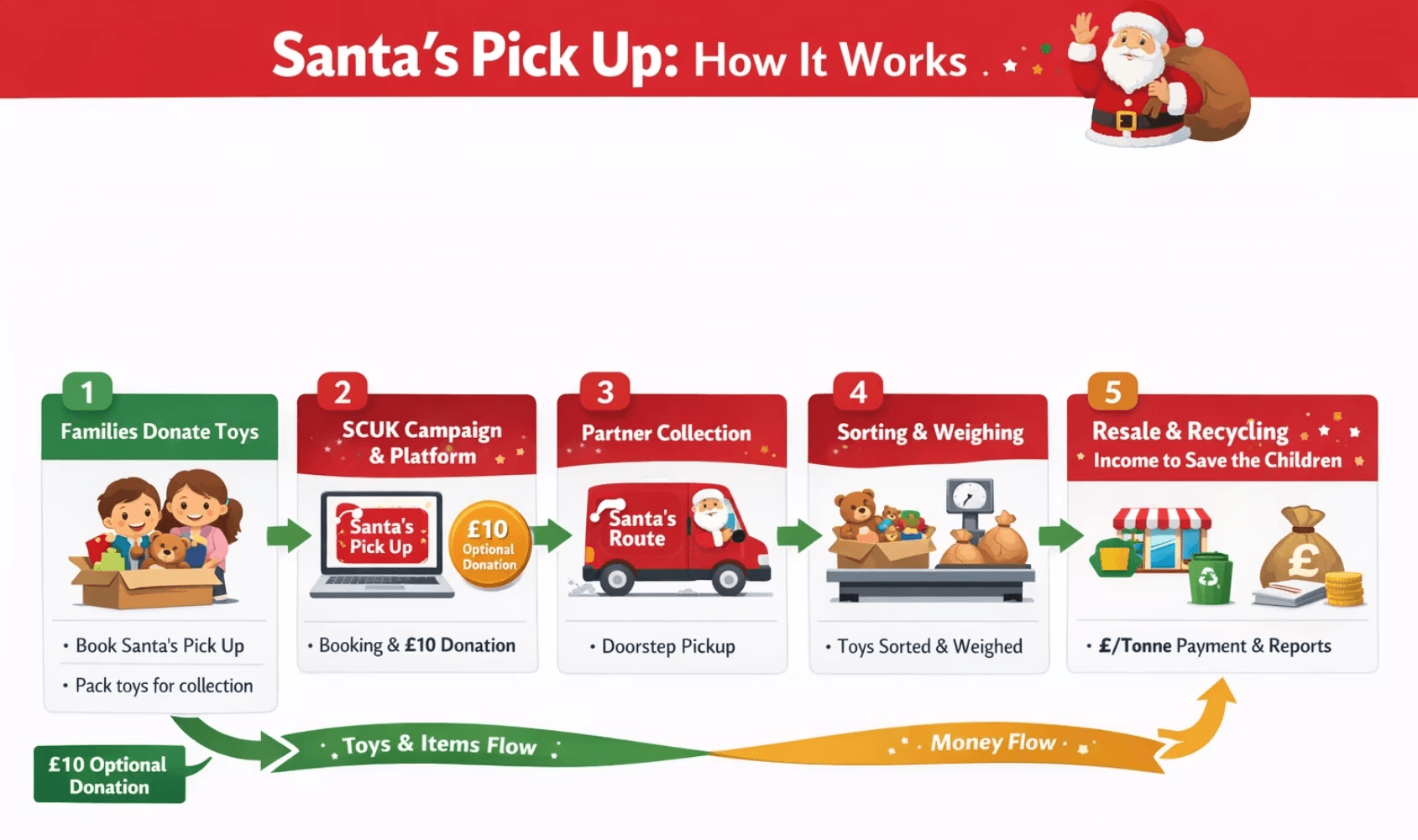
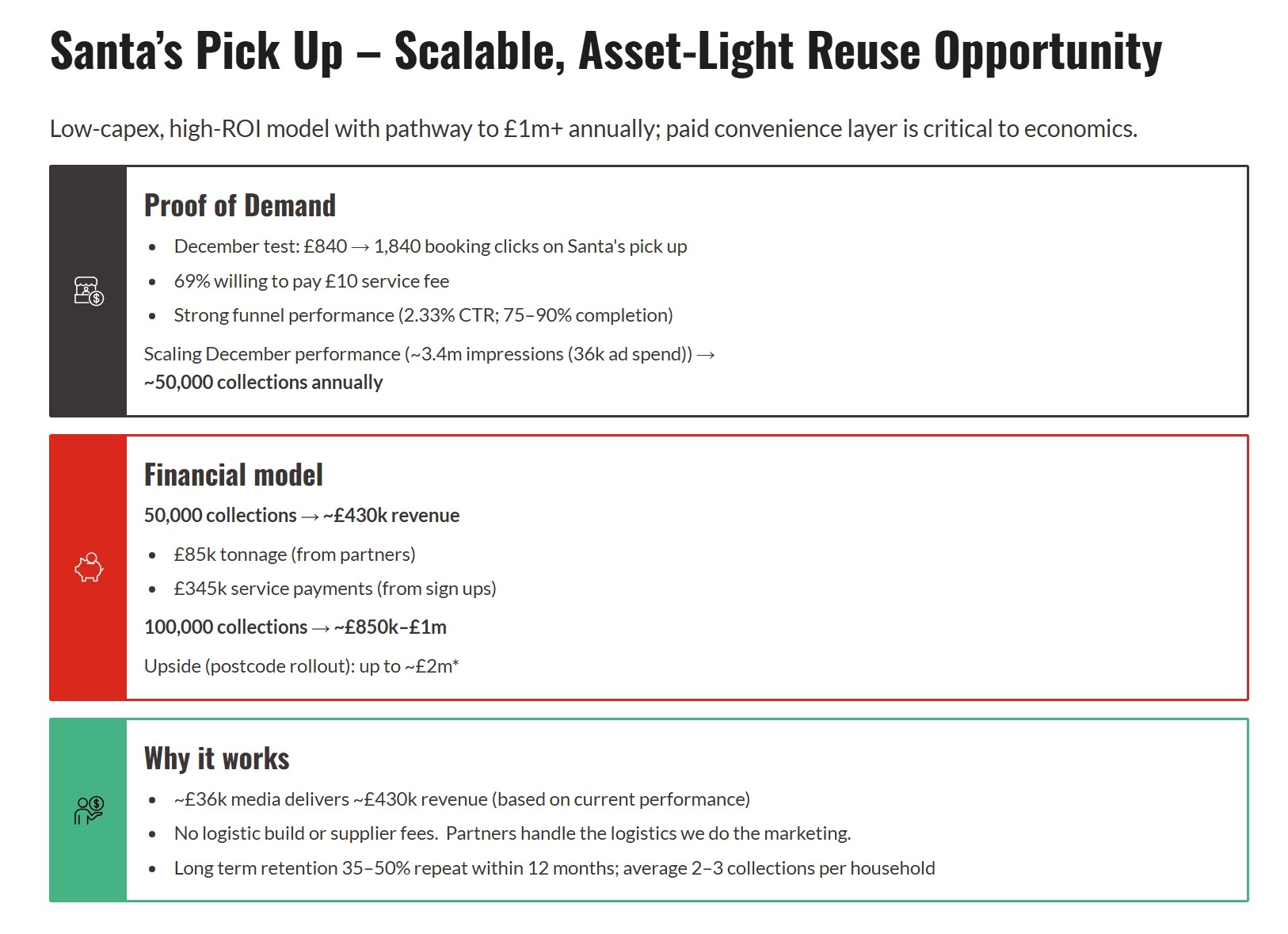
My approach to portfolio management was influenced by corporate innovation thinking I had used at oneUp, particularly the distinction between Explore and Exploit. I used that thinking pragmatically rather than replicating a framework wholesale: different types of innovation require different expectations, evidence and timelines. PORTFOLIO LEVEL — Explore + Exploit: balance new opportunities with improvements to what the organisation already understands. PROJECT LEVEL — Double Diamond: discover and define the problem before developing and delivering solutions. EXPERIMENT LEVEL — Assumptions → hypotheses → experiments → evidence. DECISION LEVEL — Scale, iterate, partner, transfer, park or stop. The portfolio covered Big Bets, Business Challenges, Capacity + Capability, and Audience. A June–November proposal allocated 50% to Big Bets, 40% to Business Challenges and 10% to Audience / exploratory work; this was a period-specific resource choice, not a permanent formula. Bi-monthly senior reviews, senior sponsorship, milestone accountability and delivery-team involvement supported rolling reprioritisation and operational ownership.
Experiments / Evidence
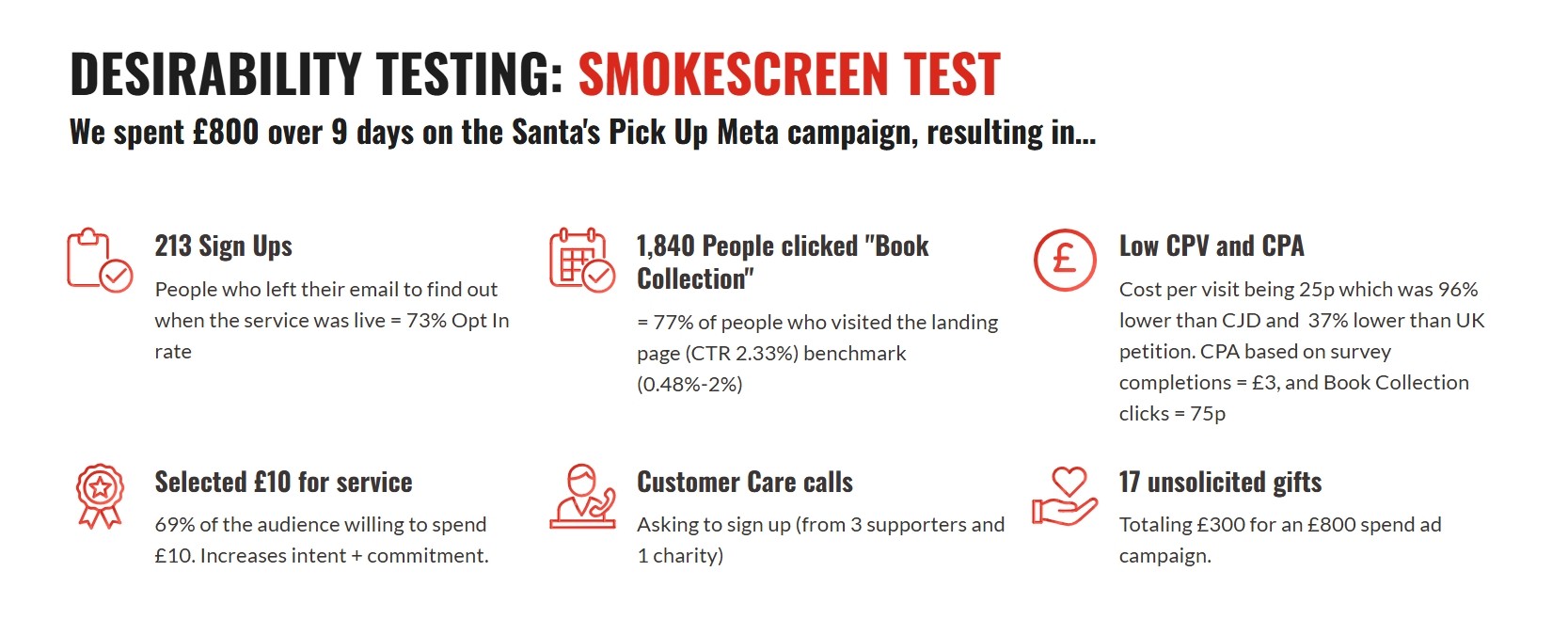
Portfolio discussions connected strategy, customer evidence, experimentation, resource allocation and organisational ownership. The approach made trade-offs explicit: what deserves investment, needs more evidence, should merge, pause, stop or move into BAU. The backlog remained a portfolio of options, not a graveyard of ideas.
Outcome
The rolling approach created clearer choices about where organisational capacity should go and how successful pilots could find an operational home. Decisions included progress, merge, park, stop or transition to BAU.
What I Learned
A good innovation pipeline is not a list of ideas. It is a decision system: strategy tells us where to play; audience evidence tells us what is worth solving; experiments show what merits investment; portfolio governance allocates scarce resources.